

Quick action helps minimize pain and swelling. Here’s what to do right away:
- Remove the Stinger Safely – Use a credit card or your fingernail to scrape it out. Avoid tweezers, which can squeeze more venom into the skin.
- Apply a Cold Compress – Hold ice wrapped in a towel against the sting site for 10 minutes to reduce swelling and numb the area.
- Create a Baking Soda Paste – Mix baking soda with water and apply it to the sting to neutralize the venom and soothe irritation.
- Keep Your Dog Calm – Restrict activity for the next few hours to prevent the venom from spreading through increased blood flow.
Most stings happen on the paws, face, or mouth since dogs investigate with their nose. For more ways to keep your pup safe during outdoor adventures, check out our guide on how to protect dog paws in winter.
Recognizing Normal vs. Dangerous Reactions
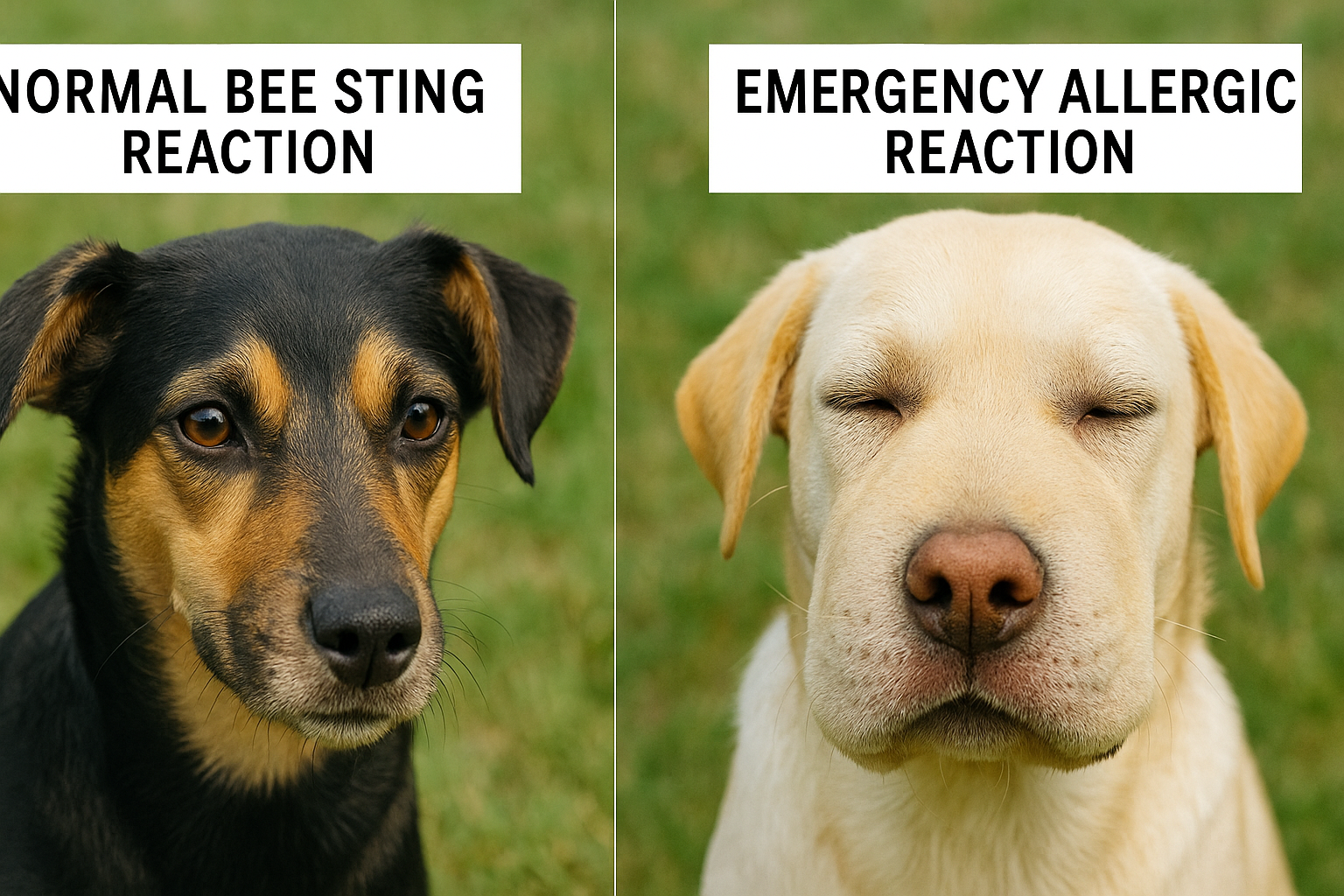 Understanding the difference between typical reactions and emergencies can save your dog’s life. Here’s what to watch for:
Normal Reactions:
- Localized swelling at the sting site
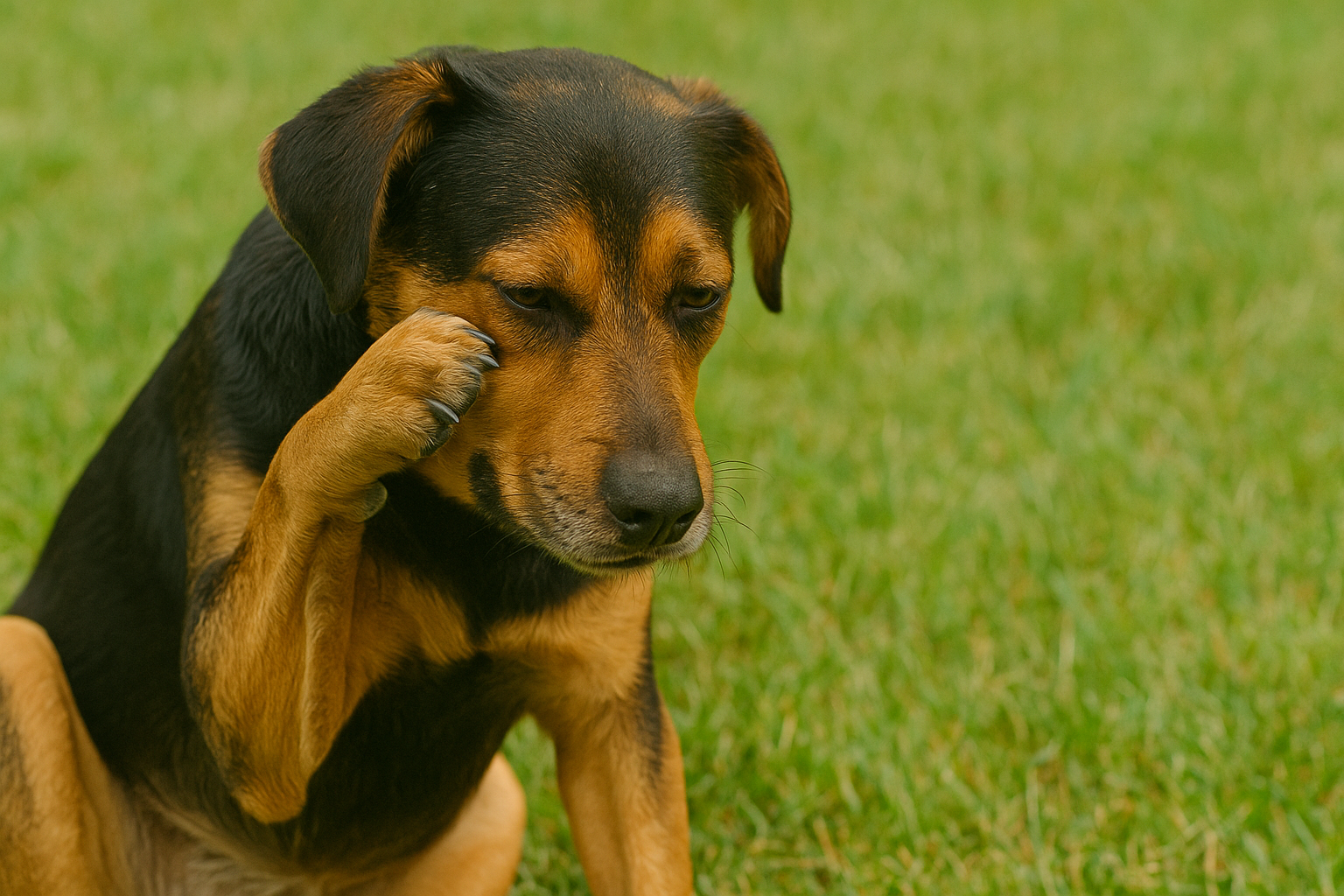
- Mild whimpering or pawing at the area
- Redness that stays contained to one spot
- Symptoms that improve within a few hours
Emergency Warning Signs:
- Severe facial swelling, especially around the eyes or muzzle
- Difficulty breathing or excessive drooling
- Vomiting, diarrhea, or collapse
- Hives appearing across the body
If your dog shows any emergency signs, contact your vet immediately or head to the nearest animal hospital.
Dogs with allergies to bee stings can develop anaphylaxis within 10 to 20 minutes. For additional behavioral insights, explore our 10 signs that your dog loves you.
Why K9 Bark Report Is Your Go-To Resource
The K9 Bark Report provides reliable, easy-to-follow guidance for every dog owner facing unexpected situations. Here’s what makes our approach different:
- Practical Solutions That Work – We focus on actionable steps you can take right now, not complicated medical jargon that leaves you confused.
- Real-World Experience – Our advice comes from years of working with dogs in various situations, from training challenges to health emergencies.
- Clear Safety Guidelines – We help you understand when home care is enough and when professional veterinary attention is necessary.
- Comprehensive Coverage – Beyond emergency care, we offer resources on everything from dog training tips and advice to daily wellness strategies.
- Community Support – Join fellow dog owners who rely on K9 Bark Report for trustworthy information and encouragement.
When your dog faces a bee sting or any other challenge, we’re here to guide you through it with confidence.
Need more interactive ways to bond with your pup? Visit our fun and playful dog-owner ideas section for activities you’ll both enjoy.
Prevention Tips for Future Outdoor Time
While you can’t control every bee that crosses your dog’s path, these strategies reduce the risk:
Yard Management: Keep grass trimmed short and remove flowering weeds that attract bees. Check for ground nests, especially in early spring and summer.
Supervised Play: Stay close during outdoor activities, particularly in gardens or near flowering plants where bees gather.
Training Awareness: Teach your dog the “leave it” command through our basic obedience training for dogs techniques, which helps them avoid investigating insects.
Peak Activity Avoidance: Bees are most active between 10 a.m. and 4 p.m. during warm months. Schedule walks during early morning or evening hours when possible.
When to Contact Your Veterinarian
Some situations with a dog stung by a bee require professional medical attention. Call your vet if you notice:
- Multiple stings, especially more than five
- Stings inside the mouth or throat area
- Existing health conditions like heart disease or respiratory problems
- Previous allergic reactions to insect stings
- Symptoms lasting longer than 24 hours
Your vet may recommend antihistamines like Benadryl (always confirm dosage first) or prescribe steroids for severe swelling.
For ongoing questions about your dog’s health and behavior, feel free to reach out for dog training questions and support anytime.
Keep Your Dog Safe From Bee Stings
Being prepared when your dog is stung by a bee makes all the difference between a minor incident and a serious emergency. With the right knowledge and quick response, you can handle bee stings confidently and keep your furry companion comfortable and safe.
Stay informed with more expert tips and training resources at K9 Bark Report. Whether you need emergency care advice or everyday training strategies, we’re here to support you and your dog every step of the way.
Explore our complete guides today and join a community of dog owners who prioritize their pets’ health and happiness.
You May Also Want to Read
Basic Obedience Training for Dogs and Why it Matters
8 Tips on How to Protect Dog Paws in Winter: Complete Guide
Why Does My Dog Bark at Nothing?
Frequently Asked Questions
What do I do if my dog got stung by a bee?
Remove the stinger by scraping it out with a credit card, apply a cold compress for 10 minutes, and monitor your dog closely for the next two hours. Keep your dog calm and limit physical activity to prevent venom from spreading.
Should I give my dog Benadryl after a bee sting?
Consult your veterinarian before giving any medication. If approved, the general dosage is 1 mg per pound of body weight, given every 8 to 12 hours. Never use Benadryl containing decongestants or other active ingredients.
Can you leave a dog bee sting untreated?
Minor stings with localized swelling often resolve on their own within 12 to 24 hours. However, removing the stinger and applying a cold compress speeds up recovery and reduces discomfort. Always monitor for worsening symptoms.
How long after a bee sting does an allergic reaction occur in dogs?
Severe allergic reactions typically develop within 10 to 20 minutes after a sting. Mild allergic responses may appear within a few hours. Watch your dog closely during the first hour, as this is when life-threatening reactions are most likely.
How do dogs act when they get stung?
Dogs usually show immediate signs like sudden yelping, pawing at the sting site, or licking the affected area repeatedly. You may notice limping if stung on the paw or head shaking if stung near the face. Swelling and redness appear within minutes.